Author: damien

Tradie Wraps

Wayfinding vs Directional Signage: What’s the Difference?

Wayfinding vs Directional Signage: What’s the Difference?

If you manage a workplace, campus, retail centre, medical facility, warehouse, or public-facing site, you’ve probably been told you “need better signage”. The tricky part is that people often use wayfinding and directional signage interchangeably – but they’re not the same thing.

Understanding the difference matters because it changes how signage is planned, designed and installed. One approach is about guiding people through an entire environment with confidence. The other is about giving clear instructions at specific decision points. When you get it right, visitors move smoothly, staff spend less time giving directions, and your space feels more professional and easier to use.

SignBizWA delivers both wayfinding signage and directional signs across Perth and WA, from single signs through to full, consistent signage systems for larger premises.

What is Directional Signage?

Directional signage is exactly what it sounds like: signs that point people in the right direction. They typically answer simple questions such as:

  • Where is reception?

  • Which way to the lifts?

  • Where are the toilets?

  • Where is the delivery bay?

  • How do I exit the site?

Directional signs are usually installed at “decision points”, entrances, intersections, corridors, stairwells, lifts, car parks, and site driveways, where someone needs an instruction to keep moving.

Because directional signs are often added one-by-one as a site grows, they can become inconsistent over time (different fonts, sizes, colours, wording and mounting styles). That inconsistency can still “work”, but it often feels messy and can confuse visitors when the next sign doesn’t look or read the way they expect.

SignBizWA’s directional signage offering covers indoor and outdoor use and can scale from a single sign to a full site-wide rollout with consistent design and fast turnaround.

What is wayfinding signage?

Wayfinding signage is broader. It’s a system, not a single sign.

Wayfinding is how people understand and navigate an environment from the moment they arrive to the moment they leave. It combines signage with layout cues, naming conventions, visual hierarchy, and consistency. Directional signs are often a part of a wayfinding system, but wayfinding includes additional sign types such as:

  • Site entry and orientation maps

  • Building directories and tenant listings

  • Level and zone identification (e.g., “Level 2 – Consulting Suites”)

  • Room and area identification (e.g., “Training Room A”)

  • Regulatory, accessibility and safety guidance that supports navigation

A good wayfinding system anticipates confusion and reduces it before it happens. It helps a first-time visitor confidently answer:

  • “Where am I now?”

  • “Where do I need to go?”

  • “How do I get there?”

  • “How do I know I’m in the right place?”

SignBizWA highlights that wayfinding signage contributes to navigation, safety and accessibility, and is designed for durability and long-term performance in WA conditions.

The Difference in One Line

  • Directional signage = individual signs that give directions at a point in time.

  • Wayfinding signage = a complete navigation system for an entire environment.

Wayfinding vs Directional Signage (Quick Comparison)

Feature Wayfinding Signage Directional Signage
Primary purpose Help people navigate the whole environment Point people the right way at key decision points
Scope A planned, consistent signage system Single signs or a set of signs (often added as needed)
Best for Hospitals, campuses, shopping centres, multi-building sites, complex offices Offices, warehouses, car parks, events, smaller premises
Typical sign types Orientation maps, directories, level/zone IDs, identification + directional signs Arrows, entry/exit, amenities, parking, deliveries
Design approach Strategy-led (naming, hierarchy, consistency) Instruction-led (clarity, visibility, placement)
Outcome Less confusion, smoother visitor flow, better experience Faster decisions at intersections and access points

When You Only Need Directional Signs

Directional signage alone can be the right solution when:

  1. Your space is small or straightforward
    A single-floor office, a small clinic, or a simple warehouse layout may only need a few clear signs.

  2. You’re fixing specific pain points
    If visitors frequently miss the toilets, reception or a loading bay, targeted directional signage can solve it quickly.

  3. You already have strong visual cues
    Some sites naturally “read well” due to layout, lighting, and architecture. Signs simply reinforce what people already understand.

  4. Budget or timing is tight
    Directional signs can be installed in stages and still deliver immediate improvements, especially in high-confusion areas.

SignBizWA supports both one-off and multi-sign directional projects, which is useful if you need a practical solution now and a broader system later.

When You Need a Wayfinding System (Not Just Signs)

Wayfinding becomes essential when the environment is complex or high-traffic, such as:

  • Medical centres and hospitals (multiple departments, strict time pressure)

  • Schools, universities and campuses (buildings, zones, repeating destinations)

  • Shopping centres and commercial complexes (multiple tenants and entries)

  • Industrial sites (vehicle and pedestrian routes, safety and access rules)

  • Multi-level offices (departments, suites, shared spaces)

In these environments, adding “one more arrow sign” usually doesn’t fix the core issue. People get lost because there’s no consistent structure: naming is unclear, zones aren’t identified, and signs don’t create a predictable journey.

Wayfinding signage is also about reducing operational friction. If reception staff spend all day giving directions, your signage isn’t doing its job. If visitors arrive flustered or late, the experience is already compromised.

SignBizWA positions wayfinding signage as a navigation and safety tool, designed with quality materials and durability in mind.

Common mistakes that cause navigation problems

1. Too many signs, not enough structure

Putting signs everywhere can create visual noise. People stop reading when every surface competes for attention.

2. Inconsistent wording

“Reception” on one sign, “Front Desk” on another, and “Admin” on a third – all referring to the same place, creates doubt.

3. Poor placement

A perfect sign installed after a turn is useless. Signs should appear before decisions, not after.

4. Low contrast or hard-to-read typography

If someone has to slow down, squint, or guess, they’ll miss it (especially in car parks, driveways and corridors).

5. No identification signs

Directional signs alone don’t confirm arrival. Good wayfinding pairs directions with identification: people need reassurance that they’re in the right spot.

How to Choose the Right Approach For Your Site

A practical way to decide is to answer these questions:

  1. How often do first-time visitors come to the site?
    Higher visitor turnover usually benefits from a wayfinding system.

  2. How complex is the layout?
    Multiple levels, wings, buildings, or entrances typically requires wayfinding.

  3. Do people get lost in the same places?
    That’s often a sign placement issue (directional). If they get lost everywhere, that’s a system issue (wayfinding).

  4. Do you need to manage both pedestrian and vehicle movement?
    This often requires planned wayfinding (especially for industrial and large commercial sites).

If the answers point toward complexity, you’ll get better results with a planned wayfinding approach, and directional signs become one part of the full solution.

Getting it right with SignBizWA

SignBizWA designs, manufactures and installs signage for businesses across Perth and WA, with a focus on quality, consistency and durability.

If you’re comparing options, a useful approach is:

  • Directional signs for immediate clarity in problem areas

  • Wayfinding signage for a cohesive system across the entire site (especially as you grow)

Whether you require clear directional signs for a single site or a complete wayfinding system across multiple buildings, SignBizWA can help you plan, design and install the right solution for your space.

Contact our team today to discuss your requirements and get expert advice tailored to your business.
Tradie Wraps

The Dos & Don’ts of Effective Car Wraps

The Dos & Don’ts of Effective Car Wraps

Boost your brand, protect your vehicle, and get noticed on the road with smart car wrap decisions

Car wraps are one of the most dynamic and cost-effective ways to transform your car, whether you’re after eye-catching aesthetics or powerful mobile advertising. But achieving an effective car wrap isn’t just about picking a flashy design. From planning and design to installation and ongoing care, there are clear dos and don’ts that make the difference between a wrap that wows and one that disappoints.

In this guide we walk you through what works, and what doesn’t, so you get the most out of your investment.

Why Car Wraps Matter

Before we dive into the dos and don’ts, it helps to understand why car wraps are so popular:

  • They provide a protective layer over your original paintwork, shielding it from chips, UV rays and everyday wear.

  • Wraps offer virtually unlimited creative freedom, from bold brand graphics to subtle colour changes.

  • As mobile billboards, wrapped vehicles drive brand exposure wherever they go, a powerful marketing tool for businesses of all sizes.

However, not all car wraps are created equal. The key to effectiveness lies in smart design, professional execution, and ongoing care.

Fleet Wraps Perth

The Dos of Effective Car Wraps

Plan With Purpose

Do define your goals early: Are you promoting your business? Building brand awareness? Simply giving your car a custom look? Knowing your goal shapes every decision from design to messaging.

Prioritise Clear, Simple Design

Do keep your graphics legible and impactful: Busy or complicated designs can confuse viewers, especially when your vehicle is in motion. Use strong contrasts, clear typography and a focused message that can be read quickly at a glance.

Work With Accurate Templates

Do work from scale-accurate vehicle templates: Designing directly for the contours of your specific car model prevents designs from becoming misaligned or cut off on doors, handles and other complex surfaces.

Choose Quality Materials

Do use premium vinyl films: Higher-quality materials stretch better, resist fading and deliver a smoother finish. They also tend to remove more cleanly if you decide to change your wrap later.

Go With Professional Installation

Do use experienced installers: A professional will prep the surface correctly, avoid bubbles and ensure the wrap adheres smoothly, essential for both durability and aesthetics.

Maintain Your Wrap Regularly

Do wash your vehicle wrap with gentle products: Regular cleaning prevents harmful contaminants from damaging the vinyl. Use mild car wash solutions and soft cloths, and consider specialist wrap care products where appropriate.

The Don’ts of Effective Car Wraps

Don’t Rush the Process

Don’t cut corners on planning or installation: Rushing can lead to mistakes that are expensive to fix, from poor surface prep to rushed design iterations.

Don’t Overload with Text

Don’t cram too much information into the wrap: Drivers and pedestrians only have a few seconds to read your message. Stick to essentials: brand name, tagline and a clear call-to-action.

Don’t Use Harsh Cleaning Chemicals

Don’t use abrasive cleaners or strong solvents: Harsh chemicals, bleach, or abrasive pads can degrade vinyl, fade colours and compromise the protective layer. Stick to wrap-safe cleaners.

Don’t Ignore Environmental Protection

Don’t leave your wrapped vehicle exposed to strong UV for long periods: Sunlight can accelerate fading and peeling. Whenever possible, park in shade or use a cover to prolong your wrap’s life.

Don’t Forget Performance Tracking

Don’t overlook measuring how well your wrap is working: If you’re using your car wrap for business, monitor metrics like website visits or call enquiries to see its real impact.

Quick Comparison: Dos vs Don’ts

Dos (Best Practices) Don’ts (Mistakes to Avoid)
Clearly define goals before designing Overloading wrap with too much text
Use simple, legible design Ignoring vehicle surface contours
Choose quality materials and professional install Rushing installation or design decisions
Follow a regular maintenance routine Using harsh cleaning chemicals
Track performance for marketing wraps Leaving vehicle exposed to prolonged sun

Final Tips for Long-Lasting, Effective Car Wraps

  • Start with a clear brief – define your audience and objectives.

  • Think mobile advertising, not just aesthetics – the goal is visibility and memorability.

  • Protect your investment with ongoing care and seasonal attention.

With thoughtful design, professional installation, and smart care, your car wrap becomes more than just a custom look, it becomes a lasting promotional asset on the road.

Ready to give your vehicle a standout new look?
Whether you’re after bold business branding or personalised style, SignBizWA in Perth offers custom car wrap design, vinyl selection and expert installation to help your vehicle make a statement.

Contact us today to discuss your car wrap project and get a free quote!

Vehicle Signage

Rolling Billboards: Why Vehicle Wraps Outperform Traditional Advertising

Rolling Billboards: Why Vehicle Wraps Outperform Traditional Advertising

In today’s competitive business world, standing out is harder than ever. Traditional advertising, whether it’s billboards, radio spots, or print ads, can be costly and often delivers diminishing returns. Vehicle wraps, sometimes called “rolling billboards,” offer a smarter alternative. They transform your everyday transport into a mobile marketing machine, putting your brand in front of thousands of eyes every week.

Unlike static signs that sit in one place, a wrapped vehicle moves with you, reaching people where they live, work, and shop. Below, we explore why wraps outperform traditional advertising, look at real-world examples, and share tips on getting the most from your investment.

Vehicle Signage

Why Vehicle Wraps Outperform Traditional Advertising

Constant Exposure Without Ongoing Costs

Traditional ads are short-lived. A billboard lease or print advert runs only for a set period before renewal costs kick in. With a wrap, you pay once and advertise every time you drive, park, or even sit in traffic. The return builds over years, making wraps one of the lowest cost-per-impression marketing tools available.

Reach That Travels With You

A billboard might catch attention on one busy road, but it never moves. Your wrapped van, or truck, however, travels through suburbs, highways, shopping areas, and job sites. Every trip extends your brand’s reach to new audiences who may never see a static sign.

More Memorable Than Static Ads

Bright, bold graphics on a moving vehicle command attention. People are far more likely to notice a striking wrapped ute or van than another roadside sign they pass daily. Done well, a wrap makes a lasting impression long after the vehicle has driven by.

Professionalism & Trust

Customers often judge businesses by appearances. A clean, professionally wrapped vehicle signals that your brand is established, credible, and reliable. In contrast, a plain or poorly marked vehicle can look unprofessional and be quickly forgotten.

Double Benefit: Protection & Promotion

High-quality vinyl wraps don’t just advertise, they also shield your vehicle’s paintwork from UV rays, scratches, and minor abrasions. When removed, the original paint looks fresh, helping preserve resale value.

Vehicle wraps are versatile across industries

Case Studies & Hypothetical Scenarios 

Vehicle wraps are versatile across industries. Here are some examples of how Perth businesses could benefit:

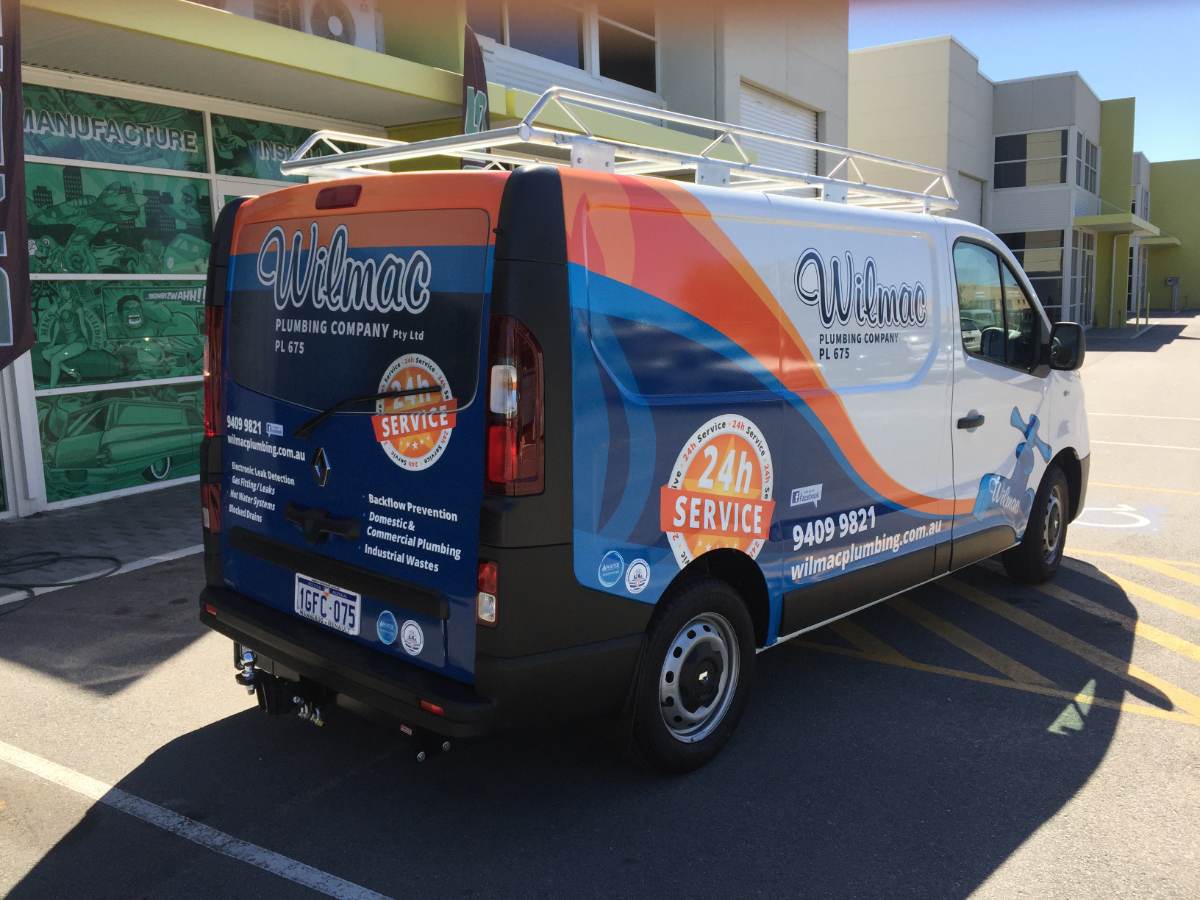
Tradies on the Move: A plumber in Joondalup wraps their van with bold blue graphics and a clear phone number. Every trip between jobs in Wanneroo, Balga, or Subiaco becomes a branding opportunity. Locals see the van repeatedly, and when they need plumbing, the number is already in their minds.

Food Trucks & Mobile Retail: A food truck serving Fremantle and Perth’s night markets uses a vibrant wrap showcasing its menu. Even before the truck opens, the wrap draws crowds. When parked on busy streets, it acts as a mobile billboard advertising where to find it next.

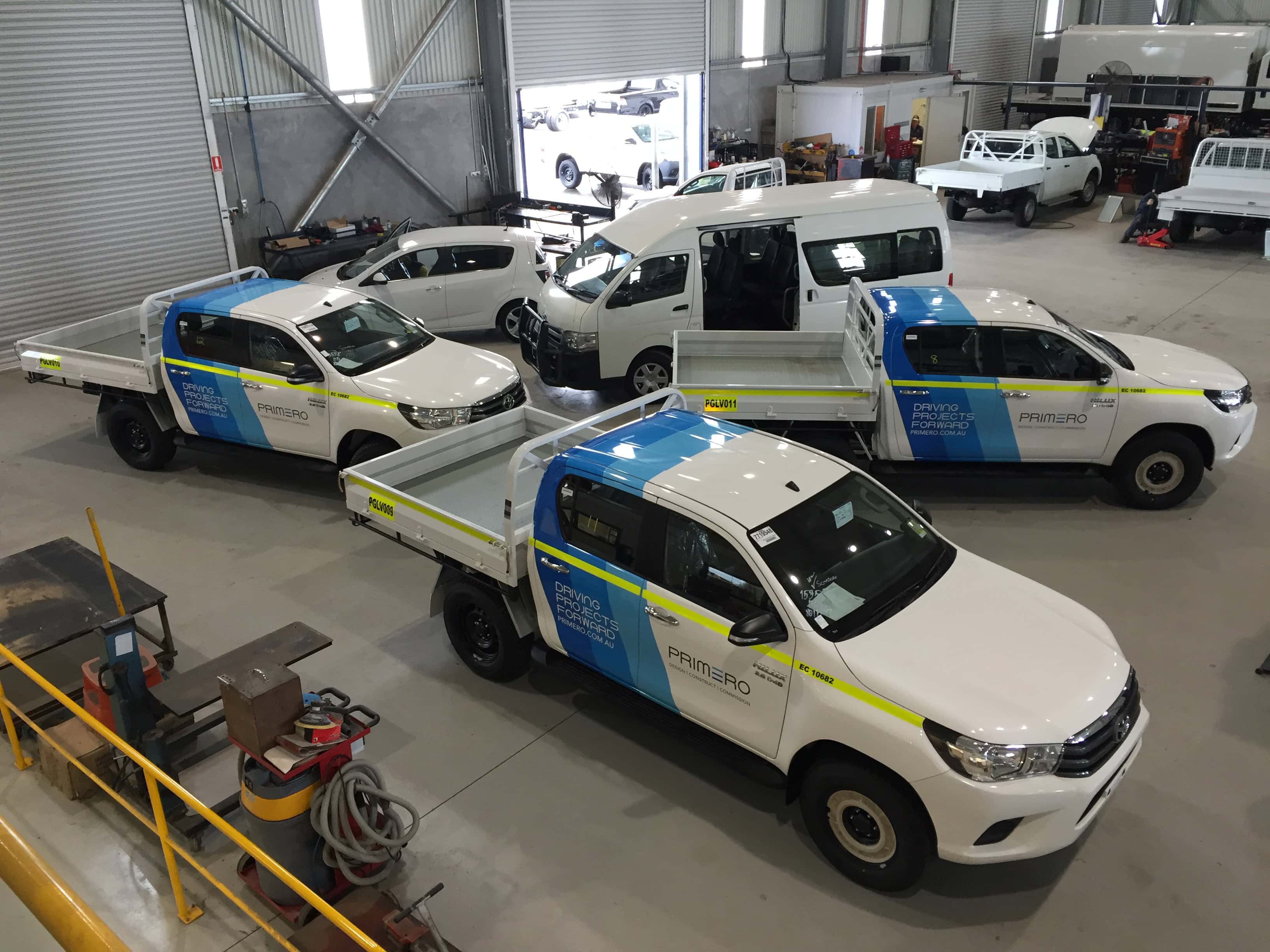
Delivery & Courier Services: A Perth-based courier firm wraps its fleet of vans with custom fleet wraps. As drivers crisscross the metro area, Subiaco, Cottesloe, Midland – the brand gains thousands of daily impressions. The consistency across the fleet builds recognition and trust.

Event & Trade Businesses: A local events company wraps its trailers and vans with high-impact graphics. When parked at venues like Optus Stadium or the Perth Convention Centre, the wraps act as static ads while also generating attention on the roads.

These scenarios highlight how vehicle wraps amplify visibility, generate leads, and reinforce brand presence across Perth.

Fleet Wrap Perth

Practical Tips to Maximise ROI on Vehicle Wraps

A wrap is an investment, and a little planning ensures you get the best results.

Keep It Simple

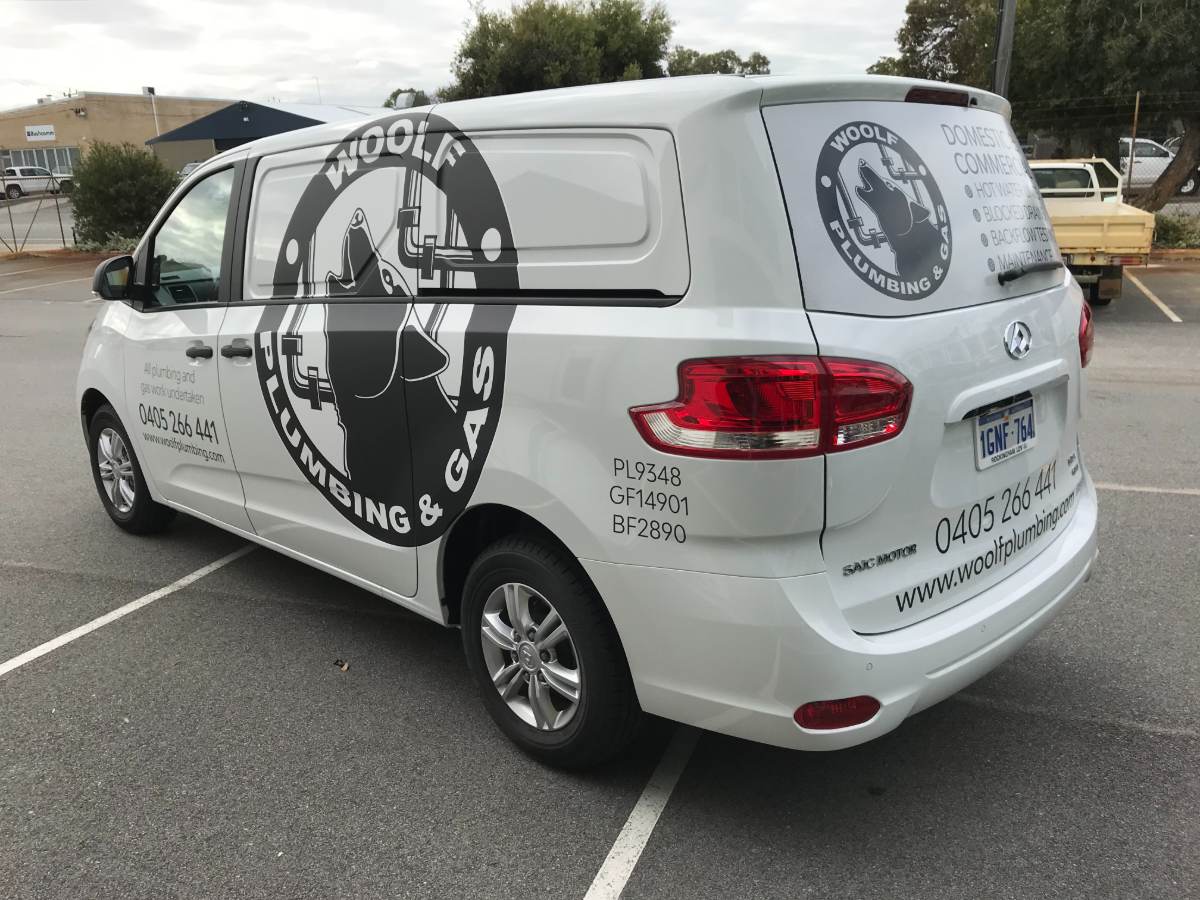
Less is more. Focus on three essentials: who you are, what you do, and how to contact you. Clear logos, bold colours, and a readable phone number or web address are key.

Design for Readability

Remember, people see your vehicle while it’s moving. Use large fonts, high-contrast colours, and simple layouts. Avoid cramming too much text or tiny details.

Leverage High-Traffic Areas

If possible, drive or park in busy zones, shopping centres, city streets, or event spaces. Even when stationary, your vehicle acts as a billboard.

Maintain the Wrap

A dirty or peeling wrap can damage your professional image. Regular washing, gentle cleaning products, and quick repairs keep it sharp and effective.

Track Your Results

Include a unique phone number, landing page, or QR code on your wrap to measure enquiries. This way, you can track exactly how many leads your “rolling billboard” generates.

Refresh When Needed

Wraps last for years, but updating them with new branding, promotions, or design keeps your advertising fresh and relevant.

Why Choose SignBizWA for Vehicle Wraps

For Perth businesses, the best results come from an experienced team. SignBizWA has been creating high-quality signage for over 35 years, with all work produced in-house to ensure consistency and durability. From tradie utes to full fleets, we provide designs that turn heads and deliver lasting impact.

Whether you need a single van wrapped or a fleet-wide rollout, we’ll help you design, print, and install wraps that get your business noticed on the move.

Conclusion

Vehicle wraps outperform traditional advertising by combining mobility, cost-effectiveness, and visual impact. They don’t just promote your business, they also protect your vehicle, build trust, and deliver ongoing exposure without ongoing fees.

In a world where static ads are easily ignored, a rolling billboard puts your brand in front of new eyes every day. For Perth businesses ready to grow their presence, vehicle wraps are a proven, powerful investment.

Ready to turn your vehicle into a rolling billboard? Contact SignBizWA today to discuss custom vehicle wraps, fleet wraps, and car signage solutions that get your business noticed across Perth.